
Why “Travel More, Worry Less” Isn’t Just a Catchy Phrase
Think about what actually drains an older adult’s energy and confidence day to day. It’s rarely the big trips. It’s the small, repeated physical effort of daily living — carrying laundry up a flight of stairs, hauling groceries to the kitchen, making multiple trips because knees can’t handle carrying too much at once.
All of that adds up. And when your body is tired from managing your own house, you have less energy left for the things that actually matter: seeing grandchildren, going for a walk in the park, planning that trip you’ve been promising yourself since retirement.
A home elevator quietly removes that daily tax on your body. Instead of stairs draining your energy reserves every single day, a smooth, safe elevator ride preserves that energy for the things you actually want to do — including travel.
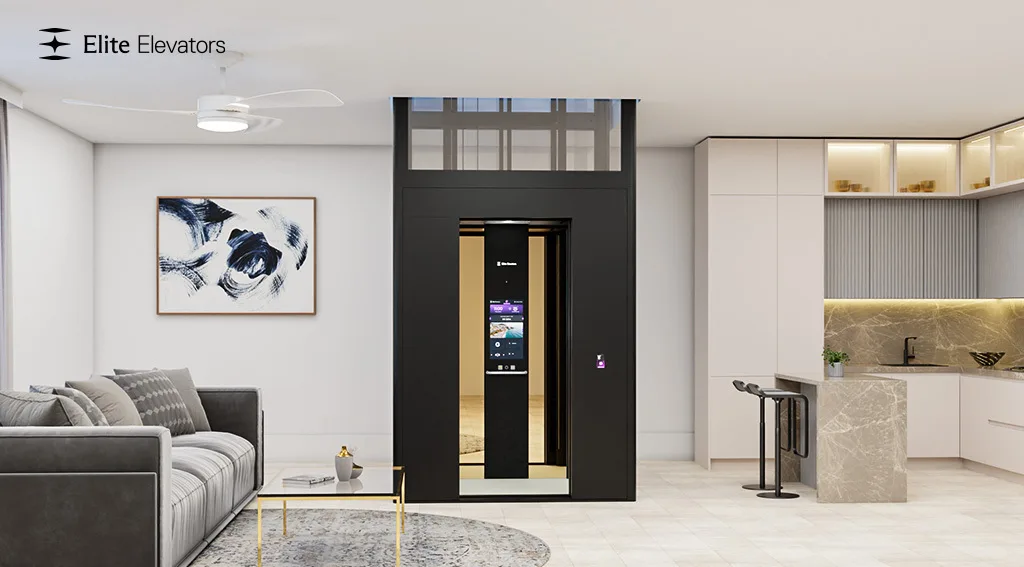
That’s the real meaning behind “Travel More, Worry Less.” It’s not about elevators replacing exercise or activity. It’s about elevators removing unnecessary physical strain so seniors have more strength, confidence, and independence left over for real life.
Understanding Home Elevators for Independent Senior Living
Let’s break this down simply, because a lot of people still think home elevators belong only in luxury mansions or commercial buildings. That’s an outdated idea.
Modern residential elevators are compact, elegant, and designed specifically to fit into existing homes — not just new construction. Companies like Elite Elevators specialize in this exact space: creating home elevators that blend into a home’s design while solving a very real, very human problem — safe vertical mobility for aging adults.
What Makes a Home Elevator Truly “Senior-Friendly”?
Not every elevator is designed with seniors in mind. When we talk about Home Elevators for Independent Senior living, we’re really talking about a specific set of features:
- Low threshold and spacious cabin — enough room for a walker, a wheelchair, or simply a caregiver to stand alongside.
- Smooth, gentle ride quality — no jerky starts or stops that could cause a stumble.
- Simple, large, easy-to-read controls — no confusing panels, no tiny buttons.
- Battery backup during power cuts — because being stuck between floors during a power outage is a real fear for many seniors.
- Emergency alarm and communication systems — so help is always one press away.
- Compact footprint — designed to fit into homes without a major structural overhaul.
When these elements come together, a home elevator stops being a mechanical convenience and becomes what it truly is: a daily independence tool.
The Emotional Side Nobody Puts in Brochures
Most articles about home elevators talk about specifications. Motor types. Load capacity. Shaft dimensions. All important, yes — but they miss the actual human story.
Here’s the truth: aging isn’t just a physical journey, it’s an emotional one. There’s a very real grief that comes with realizing you can’t do something you used to do effortlessly. Climbing stairs used to be nothing. Now it’s a calculated decision — do I really need to go upstairs right now, or can it wait?
That hesitation, repeated daily, chips away at confidence. And confidence is precisely what allows seniors to keep saying yes to life — yes to visiting family, yes to short trips, yes to hosting friends for dinner even if the guest bathroom is upstairs.
A home elevator restores that “yes.” It removes the mental math seniors are quietly doing dozens of times a day. And when that mental math disappears, something beautiful happens — seniors start thinking less about their limitations and more about their plans.
Aging in Place: Why It’s Becoming the Preferred Choice
There’s a global shift happening, and it’s not subtle. More seniors are choosing to age in place — staying in their own homes rather than moving into assisted living facilities. It’s not hard to understand why. Familiar surroundings, personal memories, established neighborhoods, close friends nearby — none of that is easy to replace.
But aging in place only works if the home itself supports it. A beautiful two-storey house becomes a daily obstacle course if the only way upstairs is a steep staircase. This is where Home Elevators for Independent Senior living become one of the smartest home modifications a family can make.
Unlike stairlifts, which can feel clinical and are often limited to a single staircase, home elevators offer:
- Access between multiple floors, not just one staircase
- Space for mobility aids and caregivers
- A more dignified, comfortable way to move through the home
- Long-term value that stairlifts often can’t match
Families who install a home elevator early — before it becomes an emergency need — often say the same thing: it wasn’t just about mobility, it was about peace of mind for the entire family.
The Ripple Effect: How Home Elevators Impact the Whole Family
Here’s something that doesn’t get discussed enough. A home elevator doesn’t just help the senior living in the house — it changes the emotional landscape for everyone around them.
Adult children who worry about a parent living alone upstairs finally get to relax. Spouses who have quietly become full-time caregivers get some of their own energy back. Grandchildren get to keep visiting a home that stays functional and welcoming, instead of watching their grandparents slowly retreat to one floor.
It’s a ripple effect of relief. One thoughtful home modification, and suddenly an entire family breathes a little easier.
Real-Life Scenario: What Independence Actually Looks Like
Picture this. An older couple, both in their seventies, living in a home they’ve owned for over twenty years. The bedroom is upstairs. The kitchen and living area are downstairs. For years, the stairs were just… stairs. Nothing to think about.
Then one knee starts acting up. Then the other. Slowly, going upstairs becomes an event rather than a habit. Trips upstairs get planned, batched, minimized. The guest room stops being used. Grandchildren’s visits get shorter because there’s less space to comfortably host them.
Now picture the same couple with a home elevator installed. Suddenly, upstairs isn’t “off-limits” anymore. The guest room gets used again. Laundry doesn’t pile up because carrying it downstairs isn’t a two-person job anymore. And because moving around the house takes almost no physical toll, both of them have more energy left over — energy they now spend on weekend drives, visits to family, and yes, actual travel.
That’s the quiet magic behind Home Elevators for Independent Senior living. It’s not flashy. It’s not dramatic. It’s just steady, reliable freedom, built right into daily life.
Choosing the Right Home Elevator: What to Actually Look For
If you’re seriously considering a home elevator for yourself or an aging parent, here’s a practical checklist worth following.
1. Assess the Home’s Layout First
Not every home needs a major renovation to fit an elevator. Many modern residential elevators are designed to work with minimal structural changes, using compact shafts or self-supporting structures.
2. Prioritize Safety Certifications
Always check that the elevator meets recognized safety standards, has proper emergency stop mechanisms, and includes backup power systems.
3. Think About Future Mobility Needs, Not Just Current Ones
A senior who walks independently today might need a walker or wheelchair in a few years. Choosing a cabin size and design that accommodates future mobility aids saves money and stress down the road.
4. Ask About Maintenance and Support
A home elevator is a long-term investment. Reliable after-sales support and easy maintenance access matter just as much as the installation itself.
5. Don’t Ignore Aesthetics
Seniors deserve a home that still feels like home. The right elevator design should complement the house’s interior, not look like a hospital fixture bolted onto a living room wall.
This is exactly the kind of thoughtful, senior-focused approach that companies like Elite Elevators bring to the table — balancing safety, functionality, and design so the elevator feels like a natural part of the home rather than a medical device.
Common Concerns Seniors and Families Have (And Honest Answers)
“Will it make my house look like a hospital?” Not with the right design choices. Modern home elevators come in a range of finishes — wood panels, glass, elegant metal accents — that match a home’s existing style rather than clashing with it.
“What if the power goes out while I’m inside?” Quality residential elevators, including those from trusted providers like Elite Elevators, include battery backup systems specifically designed to bring the cabin safely to the nearest floor during a power failure.
“Is installation going to tear up my whole house?” Not necessarily. Many home elevators today are built to be installed with minimal structural disruption, especially in homes with suitable space near staircases or unused closets.
“Isn’t this only for someone who already can’t walk?” This is one of the biggest myths. The smartest time to install a home elevator is before mobility becomes a crisis — when it’s a proactive, comfortable decision rather than an emergency reaction.
The Bigger Picture: Independence Is the Real Luxury
We often think of luxury as something visual — marble floors, big windows, a beautiful view. But ask any senior who has struggled with stairs what luxury really means to them, and the answer is almost always the same: being able to move through their own home without fear, without help, and without hesitation.
That’s the real value behind Home Elevators for Independent Senior living. It’s not about status. It’s about restoring something far more valuable than square footage — freedom.
And freedom at home naturally extends outward. When daily movement stops being exhausting, seniors have more energy, confidence, and motivation to step outside their homes too. To visit family in another city. To take that trip they’ve been postponing “until things settle down.” To simply say yes more often, instead of quietly saying no because their body is tired before the day even begins.
Why Elite Elevators Is Worth Considering
If you’re exploring home elevators for yourself or an aging parent, it’s worth looking into a company that understands this isn’t just a mechanical installation — it’s a life decision.
Elite Elevators has built a reputation around designing home elevators that combine safety, comfort, and elegant design specifically for residential spaces. Rather than offering generic commercial-style lifts, their focus stays on creating elevators that feel like a natural, beautiful part of a home — while prioritizing the safety features that matter most for aging adults, including smooth ride quality, backup power, and spacious cabins built for mobility aids.
For families weighing the decision between assisted living, stairlifts, or a proper home elevator, spending time exploring what Elite Elevators offers is a practical first step toward making an informed, confident choice.
Final Thoughts: A Small Investment, A Massive Return
At the end of the day, this decision isn’t really about elevators. It’s about the life those elevators protect — the family dinners upstairs, the grandchildren’s visits, the trips still waiting to be taken, the quiet dignity of moving through your own home without fear.
Home Elevators for Independent Senior living aren’t a luxury reserved for the few. They’re a practical, forward-thinking way to make sure aging happens on your own terms — in your own home, surrounded by your own memories, with your independence fully intact.
Travel more. Worry less. It really can be that simple — starting with how you move through your own front door.
Frequently Asked Questions (FAQs)
1. At what age should someone consider installing a home elevator? There’s no fixed age. The best time is before mobility becomes difficult — many families install home elevators proactively in their 50s or 60s as a long-term investment in aging in place comfortably.
2. How much space does a home elevator typically need? Compact residential elevators can often fit into spaces as small as a large closet, depending on the model, making them realistic even for homes without a lot of extra room.
3. Are home elevators difficult to maintain? Not when installed by a reputable provider. Regular servicing is straightforward, and quality residential elevators are built for long-term, low-maintenance use.
4. Can a home elevator support a wheelchair or walker? Yes, most senior-focused home elevators are designed with spacious cabins specifically to accommodate wheelchairs, walkers, and caregivers standing alongside.
5. Is a home elevator a good alternative to moving into assisted living? For many seniors, yes. A well-designed home elevator can remove the primary barrier to aging in place — stairs — allowing them to stay independent in a familiar home instead of relocating.