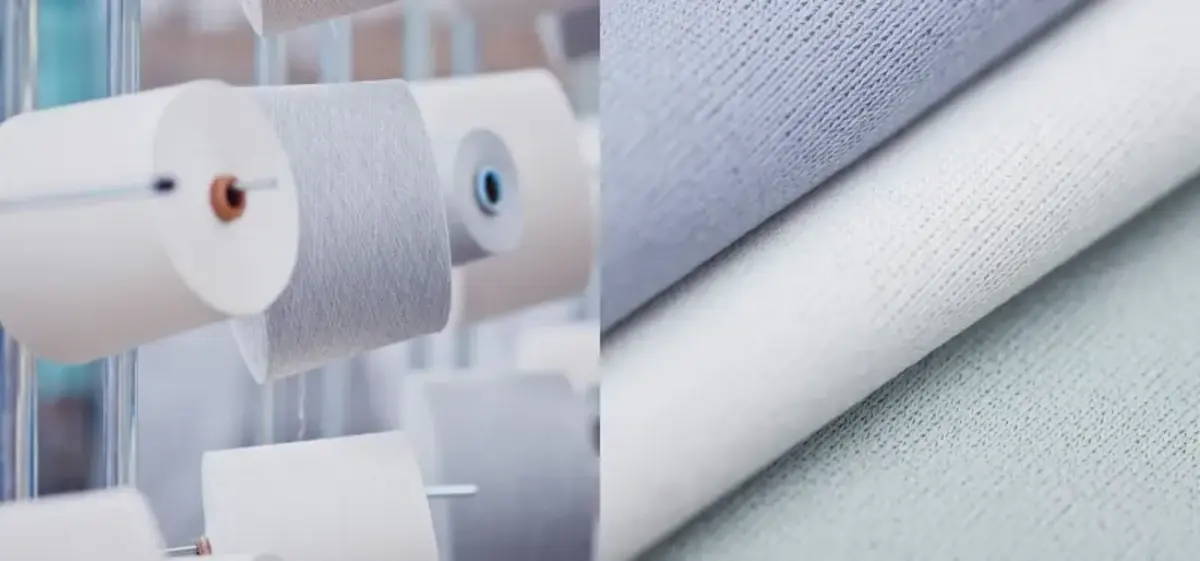
The textile industry continues to evolve as manufacturers seek materials that combine comfort, durability, and sustainability. Among the most successful innovations is the polyester cotton blend, a fabric that merges the best characteristics of natural cotton and synthetic polyester. By balancing softness with strength, this blended material has become a preferred choice for fashion brands, industrial textile producers, and manufacturers of uniforms, sportswear, and home furnishings.
Mitrasaruta – Modern consumers expect fabrics that are comfortable to wear, easy to maintain, and capable of lasting through repeated use. Polyester cotton blends meet these expectations by offering enhanced performance without sacrificing comfort. As textile technology advances, innovative production methods have made these blends even more versatile, opening new possibilities for a wide range of applications.
What Is a Polyester Cotton Blend?
A polyester cotton blend is created by spinning polyester fibers together with cotton fibers into a single yarn before weaving or knitting them into fabric. The ratio between polyester and cotton varies depending on the intended use.
Common blend ratios include:
- 65% Polyester / 35% Cotton – Popular for workwear and uniforms due to its durability.
- 50% Polyester / 50% Cotton – Offers an excellent balance between comfort and wrinkle resistance.
- 80% Cotton / 20% Polyester – Provides a soft feel while improving strength and longevity.
Each blend ratio delivers unique benefits, allowing textile manufacturers to customize fabrics for specific industries and consumer preferences.
Why Polyester Cotton Blends Are So Popular
Combining two different fiber types results in a fabric that performs better than either material alone.
Excellent Durability
Polyester fibers are known for their high tensile strength and resistance to tearing. When blended with cotton, they reinforce the fabric, making it more resistant to daily wear and repeated washing.
This durability makes polyester cotton fabrics suitable for products that experience heavy use, including uniforms, bedding, and industrial apparel.
Comfortable to Wear
Cotton remains one of the world’s most comfortable natural fibers because of its softness and breathability. Blending cotton with polyester helps maintain this comfort while reducing some of cotton’s weaknesses, such as excessive shrinking and wrinkling.
The result is a fabric that feels pleasant against the skin while maintaining a neat appearance.
Reduced Wrinkling
One of the biggest advantages of polyester is its natural wrinkle resistance. Polyester cotton blends require significantly less ironing than pure cotton fabrics, making them ideal for busy consumers and professional workplaces.
Garments maintain a crisp appearance throughout the day with minimal maintenance.
Better Shape Retention
Repeated washing often causes pure cotton garments to lose their shape. Polyester fibers help stabilize the fabric structure, allowing clothing to retain its original fit over time.
This characteristic is especially valuable for uniforms and corporate apparel.
Moisture Management and Quick Drying
Modern polyester fibers have improved significantly in moisture management. While cotton absorbs moisture effectively, polyester helps move moisture away from the fabric surface, allowing garments to dry faster.
This combination creates clothing that feels more comfortable during physical activities and warm weather.
Sportswear manufacturers often rely on polyester cotton blends because they provide breathability while preventing garments from becoming overly heavy when damp.
Applications Across Multiple Industries
The versatility of polyester cotton yarn makes it suitable for numerous textile sectors.
Fashion Apparel
Casual clothing, T-shirts, polo shirts, dresses, and jackets frequently use polyester cotton fabrics because they balance comfort, appearance, and affordability.
Designers appreciate the fabric’s ability to hold vibrant colors while remaining comfortable for everyday wear.
Corporate Uniforms
Businesses prefer polyester cotton uniforms because they maintain a professional appearance with minimal maintenance.
Employees benefit from comfortable clothing that withstands frequent laundering without excessive fading or shrinking.
Industrial Workwear
Factories, warehouses, and manufacturing facilities require durable garments capable of enduring demanding environments.
Polyester cotton fabrics provide:
- Tear resistance
- Improved abrasion resistance
- Comfortable long-term wear
- Cost-effective replacement cycles
Healthcare Textiles
Medical scrubs, laboratory coats, and hospital uniforms often utilize polyester cotton blends due to their durability and ease of cleaning.
These fabrics maintain their appearance even after repeated industrial laundering.
Hospitality Industry
Hotels and restaurants depend on polyester cotton textiles for:
- Bed linens
- Pillowcases
- Tablecloths
- Staff uniforms
- Kitchen apparel
The fabric’s wrinkle resistance and durability help reduce maintenance costs while presenting a polished appearance.
Technological Innovations in Polyester Cotton Blends
Textile manufacturers continue improving polyester cotton yarn through advanced production technologies.
Advanced Fiber Engineering
Modern polyester fibers can now be engineered with unique cross-sectional shapes that improve softness, moisture transport, and airflow.
These innovations make blended fabrics feel increasingly similar to premium natural fibers.
Enhanced Dyeing Technology
New dyeing processes create brighter, longer-lasting colors while reducing water consumption and chemical waste.
Colorfast polyester cotton fabrics remain attractive even after hundreds of wash cycles.
Sustainable Manufacturing
Environmental responsibility has become a major focus within the textile industry.
Many manufacturers now produce polyester cotton blends using:
- Recycled polyester fibers
- Organic cotton
- Water-saving dyeing techniques
- Energy-efficient spinning processes
These innovations help reduce the environmental footprint without compromising product quality.
Advantages for Textile Manufacturers
Polyester cotton yarn offers several production benefits beyond fabric performance.
Manufacturers appreciate its:
- Consistent spinning performance
- Excellent weaving efficiency
- High knitting stability
- Reduced yarn breakage
- Uniform fabric construction
These characteristics improve production efficiency while minimizing waste during manufacturing.
Easy Care for Consumers
Consumers increasingly value fabrics requiring minimal maintenance.
Polyester cotton garments typically offer:
- Machine wash compatibility
- Faster drying
- Less ironing
- Better stain resistance
- Reduced shrinkage
These features save both time and energy throughout the garment’s lifespan.
Choosing the Right Blend Ratio
Selecting the proper polyester cotton blend depends on the intended application.
For premium casual clothing, higher cotton content delivers maximum softness and breathability.
For industrial uniforms, higher polyester content provides superior durability and wrinkle resistance.
Sportswear manufacturers often select balanced blends that combine comfort with moisture management, while hospitality businesses prioritize fabrics that maintain their appearance after frequent laundering.
Understanding the end-use requirements helps manufacturers optimize both performance and cost efficiency.
The Future of Polyester Cotton Fabrics
Innovation continues to reshape the textile industry. Researchers are developing smarter polyester cotton blends that integrate functional technologies such as antimicrobial finishes, UV protection, moisture regulation, and enhanced stretch performance.
Sustainable fiber development is also accelerating, with greater adoption of recycled polyester and responsibly sourced cotton. These improvements support circular manufacturing practices while meeting growing consumer demand for environmentally responsible products.
Digital textile manufacturing, automated quality control, and advanced yarn engineering will further improve fabric consistency, durability, and production efficiency. As these technologies mature, polyester cotton blends will continue to play a central role in modern textile manufacturing.
Conclusion
The innovative polyester cotton blend has become one of the most valuable materials in today’s textile industry. By combining the natural comfort of cotton with the strength, durability, and easy-care characteristics of polyester, manufacturers can create fabrics that satisfy the needs of both consumers and industrial users.
From fashion apparel and corporate uniforms to healthcare textiles and industrial workwear, polyester cotton blends deliver reliable performance across countless applications. With ongoing advances in fiber engineering, sustainable manufacturing, and textile technology, these versatile fabrics are well positioned to remain a cornerstone of modern fabric innovation for years to come.